

Do Roofs Really Last as Long as Their Warranty Claims?
Most homeowners believe a roof will last exactly as long as its warranty period, but the reality is more nuanced. In Lockport, shingle roofs often come with warranties ranging from 20 to 50 years. However, severe winter freeze-thaw cycles, lake-effect snow, and humid summers can accelerate wear. The actual lifespan of a roof often depends on installation quality, attic ventilation, local weather history, and ongoing upkeep. It’s common for area roofs to require major repairs or replacement before a warranty runs out—especially if small leaks or ice damming issues go unaddressed.
Can Minor Leaks Be Ignored Until “It Gets Worse”?
Some think a small drip or a damp ceiling is no big deal, believing there’s time before action is needed. Unfortunately, even tiny leaks can cause major problems in homes in the city. Water can quickly travel along rafters, insulation, and drywall, leading to mold growth, compromised structural wood, and electrical issues. Because Lockport experiences rapid spring thaws and heavy rainfalls, a minor leak rarely stays minor for long. Immediate attention is key to avoiding higher repair costs and greater disruption later.
Is Roofing Only Needed After Serious Storms?
Many assume roofing needs are only urgent following noticeable storm damage or visible shingle loss. In reality, deterioration can occur quietly over many seasons due to UV exposure, repeated freeze-thaw cycles, or clogged gutters causing water backup. The city’s combination of aging homes and dense tree coverage also contributes to granule loss and algae growth, which might not be obvious from the ground. Seasonal inspections and maintenance—even without any major event—help area households catch issues before they become emergencies.
Are All Roofing Materials the Same?
Roofing materials aren’t interchangeable, and their performance varies widely depending on the local climate. For example, asphalt shingles are common in the city, but their durability depends on proper ventilation and quality underlayment to handle winter ice dams and summer humidity. Metal has grown in popularity for its ability to shed snow, but not all metals are treated to resist rust in humid or salty air. The myths that “all shingles are the same” or that any material will work equally well don’t hold up to the specific climate pressures Lockport homes face.
Does More Attic Insulation Always Help Prevent Ice Dams?
It’s a frequent misconception that adding extra insulation alone will stop ice dams. While insulation is crucial for keeping heat in, proper attic ventilation is equally important. Inadequate airflow can trap heat in the roof deck, melting snow from below, which then refreezes at the eaves and causes damaging ice dams—a common winter problem in the area. Local building codes have specific requirements for ridge and soffit venting to help balance temperature and humidity. Relying solely on more insulation without addressing ventilation can make moisture problems worse.
Is DIY Roof Repair a Safe Option for Local Homeowners?
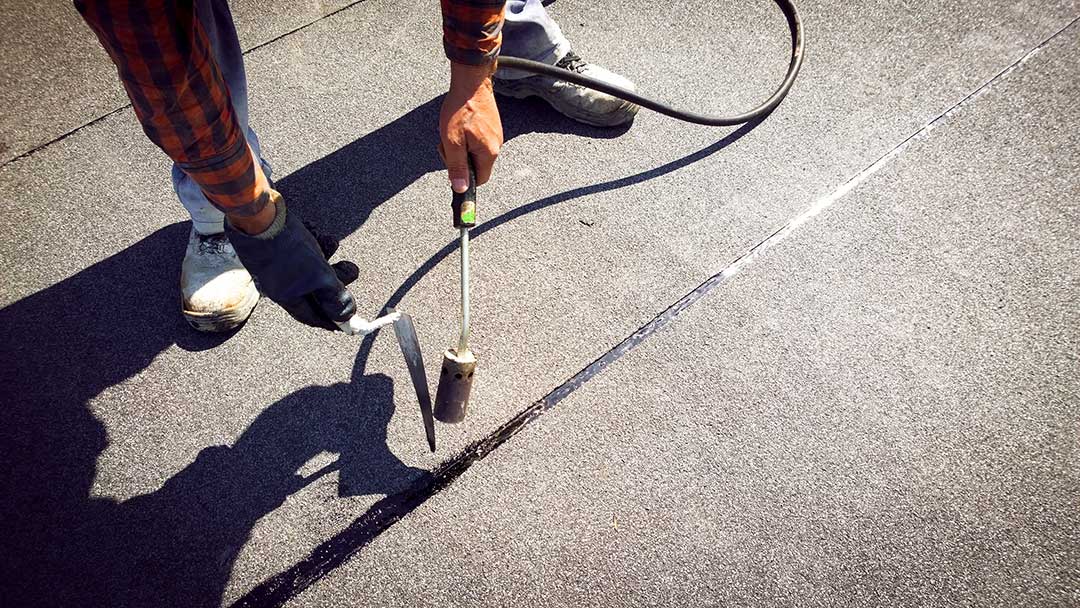
The temptation to repair a few shingles or patch a leak could look like a money-saving move. However, in the city’s climate, even small repairs involve risks. Steep, slippery roofs, sudden weather changes, or hidden structural weaknesses under old shingles can result in falls or further damage. Roofing also requires knowledge of local codes and safe disposal of old materials. For minor fixes like cleaning gutters or replacing a shingle tab, careful homeowners sometimes handle the work, but for any job involving extensive surface area, steep slopes, or structural uncertainty, it’s much safer to seek help.
Will Algae or Moss Growth Cause Only Cosmetic Damage?
Many believe streaks or green patches on shingles are only an eyesore, but leaving biological growth to spread can shorten a roof’s life. Moss and algae commonly develop on shaded roofs in the city due to high summertime humidity and tree cover. Moss traps moisture against the shingles, eventually loosening their grip and hastening decay. Algae does less immediate harm but can eat away at protective granules. Gentle cleaning is possible, but the best solution often involves improving drainage, trimming nearby limbs, and ensuring sunlight reaches roof surfaces to minimize regrowth.
Is Roof Replacement Only a Concern for Old Homes?
It’s easy to think only aging or historic homes in the city need new roofs, but even relatively new construction can require attention. Installation errors, mechanical damage (like falling branches), or poor attic ventilation can prompt premature failure. In some neighborhoods, mass suburban development led to homes being roofed quickly, not always to the highest technical standard. Regardless of a home’s age, regular monitoring is wise, especially after unusually harsh winters or windstorms.
Do Dark Shingles Increase Indoor Temperatures Significantly?
Some homeowners believe choosing dark-colored shingles will dramatically raise summer cooling bills. In practical terms, the effect in Lockport is minimal compared to southern states. Most heat gain in attics comes from poor insulation or lack of ventilation, not shingle color. With proper vents and insulation, the difference between dark and light shingles is small—especially given the area’s generally mild summers and emphasis on winter performance.
