

What Is Ice Damming?
Ice damming happens when snow on your roof melts and refreezes near the edges, creating a ridge of ice that prevents melting snow from draining off. This trapped water can seep under shingles, causing leaks and water damage inside your home. Lockport, NY regularly sees heavy, wet snowfalls and temperature swings in winter, making local homes especially prone to this issue.
Why Are Area Homes at Risk?
Area homes are vulnerable because winter here often brings a mix of freezing nights and sunny days. This combination causes snow to melt unevenly. Homes with older or poorly insulated attics, typical in historic Lockport neighborhoods, face increased risk because heat escapes through the roof, accelerating snowmelt.
How Does Ice Damming Actually Form?
Ice damming starts when the roof above your attic warms up—usually from heat escaping your living space. Snow directly touching the roof melts, while the roof edge (colder due to lack of heat) remains below freezing. Meltwater flows down, freezes at the edge, and starts to build up into a dam. Eventually, water backs up behind this ridge and finds its way under shingles.
Misconception: Some residents think snow alone creates ice dams, but it’s actually the combination of attic heat loss, roof slope, and freeze-thaw cycles that matter most.
What Damage Can Ice Dams Cause?
- Water leaks into the attic and living spaces
- Stained, blistered, or peeling interior paint and plaster
- Wet or moldy insulation, lowering energy efficiency
- Warped floors and damaged framing if leaks persist
- Gutter and roof shingle damage from ice weight
In Lockport, long winters mean ice dams can linger for weeks, worsening water infiltration and related problems with time.
How Can You Prevent Ice Damming?
Prevention focuses on two main goals: keeping the roof cold and letting melted snow flow away quickly.
Insulate and Ventilate the Attic
A well-insulated attic keeps heat where it belongs—inside your home—not leaking through the roof. Coupled with proper ventilation, this maintains a cold roof surface. Insulation slows heat flow from living spaces; ventilation carries away any escaped warmth.
- Seal gaps where warm air leaks into the attic around pipes, vents, and chimneys
- Add insulation to the attic floor, aiming for the recommended depth for cold climates
- Make sure soffit and ridge vents are clear and working to allow air movement
Regular Rooftop Snow Removal
After a heavy snowfall, safely removing several feet of snow with a roof rake keeps snow from melting and refreezing at the eaves. For multi-story homes or steep roofs, consider professional help to avoid injury when raking snow.
Maintain Roof and Gutters
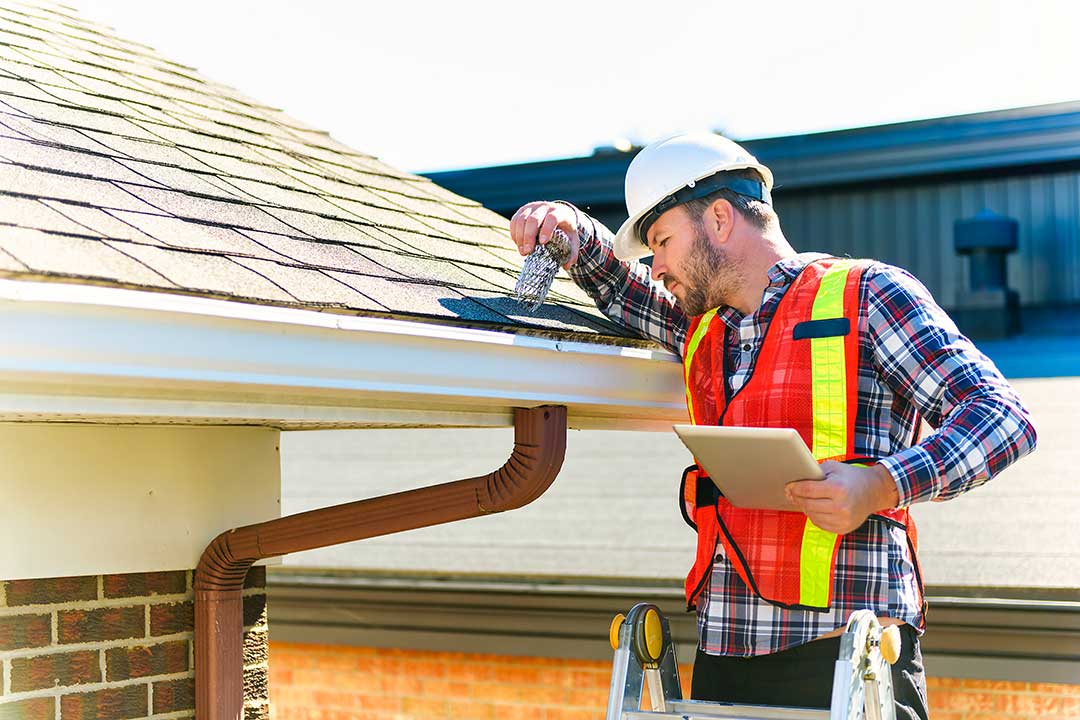
Clear gutters and downspouts before winter to allow melting snow to drain freely. Clogged drainage often leads to overflow and ice buildup at the roof’s edge.
Address Known Problem Spots
Valleys, dormers, and eaves that collect snow tend to form dams faster. Pay extra attention to these areas when removing snow and check for early ice formation during winter.
Install Protective Barriers
If some ice damming risk remains, installing waterproof membranes under shingles along roof edges can help prevent leaks. This is especially useful for older homes or when roof replacement is planned.
Can Ice Dams Be Removed Once They’ve Formed?
If an ice dam develops, it’s safest not to chip away at the ice or pour hot water—these methods can damage roofing materials or create slip hazards below. Instead, lowering the temperature in the attic by improving ventilation can help stop further melting. In emergencies, placing calcium chloride melting agents (never rock salt) in a sock and positioning it perpendicular to the dam may help melt channels through the ice. Care is needed to avoid damaging vegetation or walkways with runoff.
Are Certain Roofs or Home Features More Vulnerable?
Yes, roofs with low slopes, lots of valleys, or little attic insulation are common culprits. Older homes without modern energy updates—especially those in Lockport’s established neighborhoods—may have more heat loss through the roof, increasing their risk. Flat roofs, or any roof shaded by trees that slows melting, also face more ice dam trouble.
What Are Common Misconceptions About Ice Dams?
- "Heat cables alone will solve everything": Electrical heat cables can help, but they’re not a substitute for proper insulation and ventilation.
- "Only old homes get ice dams": Newer homes with improper insulation or roof design can be affected, too.
- "It’s only a cosmetic problem": Water damage from leaks can threaten structural elements, insulation, and air quality, especially over several winters.
How Can Residents Prepare for Next Winter?
Area households should check attic insulation levels during the fall, inspect ventilation openings, and clear gutters before the first freeze. Noticing icicles along eaves mid-winter signals snowmelt and potential trouble—take it as a cue to assess your roof and attic conditions. Sharing tips and strategies with neighbors can also help the community reduce roof-related water damage during Lockport’s colder months.
