
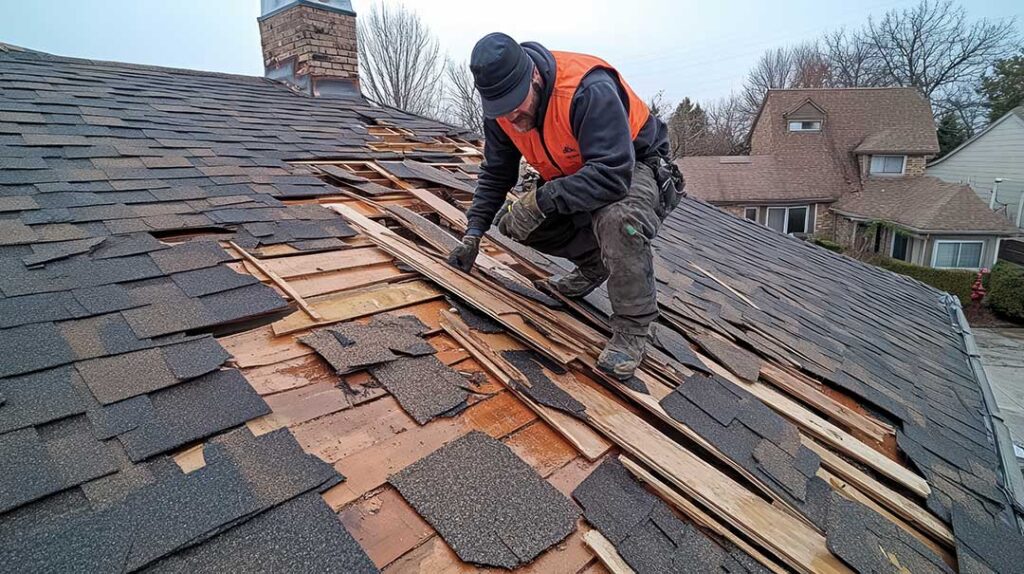
What Is Roof Pitch and How Is It Measured?
Roof pitch describes the steepness or slope of a roof. It's usually given as a ratio, such as 4:12, meaning the roof rises 4 inches for every 12 inches it runs horizontally. In Lockport, numbers are often written as “X-in-12” to clearly describe the rise over run. To measure it, you can use a level and tape measure for small checks, but official measurements are usually done during building or repair work.
Why Does Roof Pitch Matter for Homes in the City?
Roof pitch directly affects how well a roof handles Lockport’s snow loads, rain runoff, and seasonal weather shifts. Flatter roofs can accumulate snow and water, increasing the risk of leaks or ice damming, especially during long, snowy winters. Steeper pitches shed precipitation more quickly, helping protect interiors from moisture intrusion and minimizing the stress on the roof frame.
In the city, most residential homes feature moderate to steep pitches, partly because of historical building practices but also because this design helps manage the region’s climate.
Which Roof Pitches Are Best for Lockport’s Weather?
For homes facing Lake Effect snow and changing freeze-thaw cycles, a roof pitch of at least 4:12 is commonly recommended. Flatter roofs (below 3:12) may struggle to shed snow quickly, while much steeper roofs (above 9:12) can increase construction costs and complicate exterior maintenance.
Common local roof styles include:
- Moderate slopes (4:12 to 7:12) for typical single-family dwellings
- Steeper slopes (over 7:12) on older Victorians or newer custom homes for faster runoff
- Flatter slopes on certain porches, garages, or small additions, but with special waterproofing
Does Roof Pitch Affect Roofing Material Choices?
Yes—it greatly influences which roofing materials can be safely and durably installed. Asphalt shingles, a popular choice for Lockport households, typically require a minimum pitch of 2:12, but perform best on roofs of 4:12 and steeper. Metal, tile, or membrane systems are sometimes used on lower slopes but may require specialized installation methods.
Misunderstandings sometimes happen when homeowners try to use traditional shingle styles on very low-pitch roofs, leading to premature leaks or warranty issues. Always consider pitch-specific product guidelines for repairs or updates.
How Does Pitch Impact Attic Ventilation and Energy Use?
Roof pitch isn’t just about shedding water. Steeper roofs create more attic space, which can improve air circulation and help reduce moisture buildup in insulation. Proper ventilation becomes especially important in Lockport’s cold months, as trapped moisture can contribute to ice dams and shorten the lifespan of both shingles and underlying wood.
Flatter roofs, conversely, offer less vertical space for airflow, so attentive design and ventilation strategies are needed to maintain healthy indoor environments and avoid mold growth.
Are There Building Code Rules for Roof Pitch?
Local building codes often mandate minimum pitches for different roof types, especially for new construction or major renovations. Lockport’s permitting office generally requires demonstrating that the roof pitch and design meet or exceed standards for snow load and runoff.
If planning an addition, shed, or roof replacement, check local codes and inspection requirements to confirm what’s allowed. Some historical districts within the community may also have guidelines that affect acceptable roof designs.
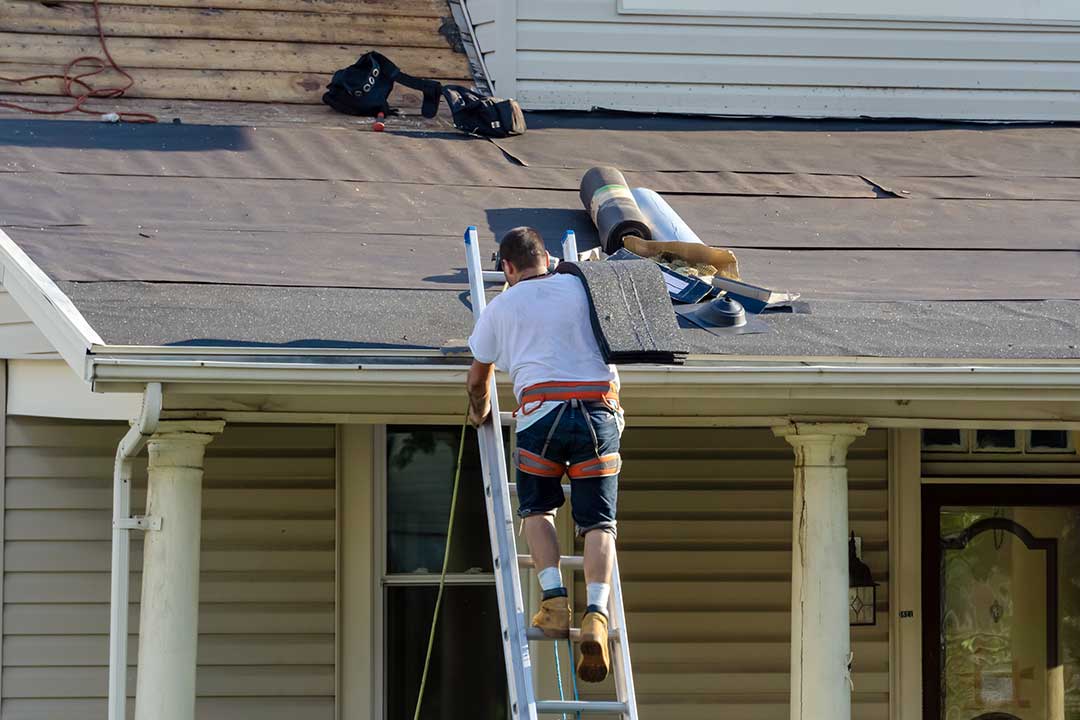
What Are Some Practical Examples and Common Mistakes?
Residents sometimes misjudge how much pitch is really needed to avoid snow or ponding problems. For example, a 2:12 pitch may look more appealing from the street and feel easier to walk on, but after a heavy snowfall, it could require frequent clearing to prevent ice buildup.
Other overlooked factors include:
- Not matching existing rooflines during repairs or extensions, leading to mismatched aesthetics and potential water traps
- Reusing old materials on changed pitches, risking leaks or code compliance issues
- Ignoring how chimneys, skylights, and valleys collect snow and water depending on slope
How Can Property Owners Judge If Their Roof Pitch Is Working?
For most Lockport households, the signs of an effective roof pitch are simple: snow melts without forming heavy dams, there are no ongoing leaks, and gutters remain clear. Visible sagging, warped shingles, or routine ice patches likely point to problems with pitch, drainage, or insulation—not just “old age.”
If unsure, periodic visual checks from the ground (especially after storms) can help area homeowners spot early warning signs, such as uneven snow distribution, pooling water, or unusual runoff patterns.
What Else Should Residents Know About Roof Pitch?
Changing the slope of an existing roof is a major structural project and generally not recommended unless there are persistent problems that cannot be fixed by surface repairs. For most local situations, selecting the correct materials, keeping gutters clear, and addressing minor issues early will help any pitch function reliably for years.
Careful consideration of slope during new construction, additions, or major remodeling pays off in both immediate protection and long-term comfort for homeowners in the region.
