

What Causes Shingle Curling and Cracking?
Shingle curling and cracking typically result from weather exposure, aging materials, and inadequate ventilation. In Lockport, NY, the region’s seasonal swings—from frigid winters to humid summers—contribute to these issues appearing on area roofs.
Curling happens when the edges of asphalt shingles lift upward, forming a noticeable wave. Cracking refers to visible splits or fractures across the shingle surface. Both problems weaken roofs and can lead to leaks if left unchecked.
Local Climate Factors
Lockport’s cold winters often cause shingles to contract, while summer heat and humidity make them expand. Over time, these repeated temperature shifts stress the roofing materials, accelerating wear and tear. Roofs that endure heavy snow loads or frequent freeze-thaw cycles are especially prone to both curling and cracking.
Why Should Residents Worry About These Issues?
Shingle curling and cracking expose underlying roofing materials, allowing moisture to seep in. In Lockport, prolonged dampness from rain or melting snow increases the risk of mold, rot, and attic leaks. Homes with older roofs or poor attic insulation may see damage develop more quickly.
Neglecting these problems can mean more expensive repairs down the line, from replacing plywood decking to addressing water-damaged insulation or ceiling stains. In severe cases, roof failure can put interior possessions and home safety at risk.
How Can You Spot Curling or Cracking Early?
Curling and cracking are usually visible from the ground or with a close-up inspection (always use caution if viewing from a ladder). Signs to watch for include:
- Shingles with upturned corners or edges
- Flat shingles that seem to bulge or rise in the center
- Lines or splits that cross the shingle surface, especially after a harsh winter
- Pieces of cracked shingle in gutters or on the lawn after a storm
Checking the roof in spring and after major weather events helps area households catch issues before leaks develop.
What Should Residents Do When Problems Appear?
Quickly addressing early-stage curling or cracking extends roof life and helps prevent larger headaches. For minor issues, such as a handful of curled shingles:
- Weigh down curling edges with roofing cement if the underlying material is still intact.
- Replace shingles with severe curling, cracks, or missing pieces—single shingle repairs can be manageable for those comfortable with roof work.
If many shingles are affected or if there are signs of leaks inside (like water stains on ceilings or in the attic), greater intervention is needed. Local regulations do not require permits for repairing or patching less than 100 square feet of roof, but full replacements or major structural work typically do.
Can Shingle Life Be Extended in This Community’s Climate?
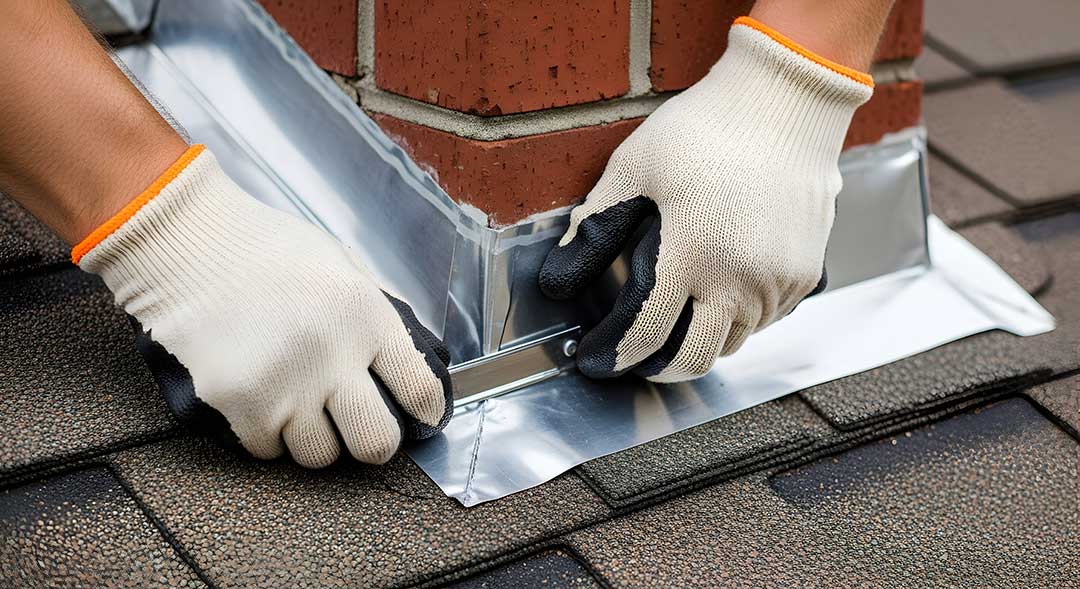
While no roof will last forever, there are specific steps that make a difference in Lockport. Proper attic ventilation limits moisture buildup and reduces the dramatic expansion and contraction that causes shingle damage. Make sure attic insulation is even and not blocking soffit vents.
Keeping gutters clear of leaves and ice helps direct water away efficiently. After major winter storms, gentle snow removal near roof edges can lessen ice dam formation—a frequent culprit behind shingle cracking and curling in neighborhoods with older housing stock.
Are There Misconceptions About Shingle Damage?
Many assume that curled or cracked shingles mean immediate roof replacement. In reality, small areas of curling or cracking can often be repaired, which buys time before a complete roof overhaul is necessary.
Another misconception is that new shingles can't curl or crack. Poor installation—such as improper nailing or skimping on underlayment—can cause even relatively new roofs to show early signs of damage, especially after a few harsh winters.
What About Preventing Future Curling and Cracking?
Prevention involves both roof maintenance and how new roofs are installed in the area. When replacing roofing:
- Choose shingles with proven cold-weather performance, rated for the community’s climate.
- Ensure attic and roof deck ventilation meets or exceeds minimum codes.
- Ask about installation practices that reduce the risk of moisture buildup beneath shingles.
For homeowners not yet due for a new roof, routine inspections, cleaning, and prompt repairs help maintain shingle flexibility and integrity.
When Should Safety Take Priority?
For minor repairs—such as gluing down a curled edge—some residents handle basic fixes themselves. However, working on steep roofs, especially in icy or wet conditions, poses a serious fall risk. If there’s any doubt about roof stability, pitch, or safety, stay off the roof and use binoculars or call for an exterior inspection.
Major damage involving widespread shingle failure, structural sagging, or signs of serious leaks may require professional assessment to avoid hazards and comply with local regulations.
