
What counts as a green roofing option?
Green roofing usually refers to roofing choices that reduce environmental impact, improve energy performance, manage stormwater, or last longer than conventional materials. The term can describe several different approaches rather than one specific roof design.
Common examples include:
- Vegetated or “living” roofs with plants and growing media
- Cool roofs that reflect more sunlight and absorb less heat
- Roofs made with recycled or recyclable materials
- Durable roofing systems designed to remain in service for decades
- Solar-ready roofs that support renewable energy equipment
- Roof assemblies that improve insulation, ventilation, and moisture control
For residents, the practical question is not simply whether a roof is environmentally friendly. The more useful question is whether a particular option fits the building, climate, budget, maintenance expectations, and long-term plans.
Are living roofs suitable for Lockport homes?
Living roofs can provide insulation, absorb some rainfall, and create habitat for plants and insects. However, they are not automatically appropriate for every house, especially in a climate with freezing temperatures, snow, ice, and repeated seasonal moisture.
A living roof generally includes:
- A structurally reinforced roof deck
- Waterproofing and root-resistant layers
- Drainage components
- Growing media
- Carefully selected vegetation
- Edge protection and inspection access
The added weight can be substantial, particularly when the roof is saturated with water or covered with snow. A standard residential roof may not be designed to carry that load. Converting an existing roof without a structural review can create safety and performance problems.
Flat or very low-slope roofs are usually easier to adapt than steep residential roofs. Even then, drainage must be carefully designed so water does not collect around drains, walls, vents, or roof edges. Plants also need to tolerate cold winters, summer heat, wind, and periods of drought.
For most homes in the area, a small planted roof over a porch, garage, addition, or shed may be more realistic than covering the entire house. A full living roof can make sense for a specially designed building, but it is rarely a simple replacement for an ordinary sloped roof.
Do green roofs help with snow and winter conditions?
A properly designed green roof can moderate temperature changes and protect waterproofing layers from some weather exposure. That does not mean it eliminates winter roofing concerns.
Snow can remain on a planted roof longer than on a smooth roof, adding weight. Ice dams may still occur if the roof has poor insulation, inadequate air sealing, or uneven heat loss. Roots, moisture, and freezing conditions can also expose weaknesses in waterproofing if the system is not installed correctly.
Winter performance depends heavily on the entire roof assembly, including:
- Insulation levels
- Attic ventilation
- Air sealing
- Waterproofing
- Drainage
- Flashing around penetrations
- Structural capacity
- Safe access for inspection
A conventional roof with strong moisture control and insulation may perform better over time than a poorly designed “green” roof. Environmental value does not compensate for water intrusion or structural strain.
Are cool roofs useful in a northern climate?
Cool roofs are designed to reflect solar energy and release absorbed heat. They are most beneficial in hot, sunny climates where air-conditioning demand is high. In a northern climate, their advantages are more limited but can still be relevant.
A reflective roof may reduce heat buildup during summer, especially on low-slope roofs, additions, and buildings with limited attic ventilation. It can also help protect roofing materials from ultraviolet exposure and repeated expansion and contraction.
However, cooling savings may be modest for a typical home. Winter heating demand is usually more significant than summer cooling demand, so roof color alone should not be treated as a major energy-efficiency upgrade. Insulation, air sealing, windows, and heating equipment generally have a larger effect on annual energy use.
A light-colored roof can also change how snow melts, but it will not solve ice dams caused by heat escaping through the attic. Ice-dam prevention requires attention to the roof’s thermal and ventilation design.
Which roofing materials have lower environmental impact?
Roofing materials differ in their manufacturing impact, transportation requirements, service life, repairability, and disposal options. No material is environmentally perfect.
Metal roofing can have a long service life and may contain recycled content. Some metal products are also recyclable at the end of their use. Their environmental value depends on the metal type, coating, manufacturing process, and whether the roof remains watertight for its expected lifespan.
Recycled-content shingles can reduce demand for newly manufactured materials, although their durability and recycling options vary. Asphalt shingles remain common because they are widely available and relatively affordable, but disposal can create a significant waste stream when large numbers of roofs are replaced.
Clay or concrete tile can be durable, but the materials are heavy and may require structural consideration. Slate can last for many decades, yet it is also heavy and may involve higher transportation and installation impacts.
The most sustainable material is not always the one with the highest recycled content. A roof that lasts longer, requires fewer repairs, and avoids premature replacement may have a lower total environmental impact than a shorter-lived alternative.
Can solar panels make a roof greener?
Solar panels can reduce reliance on electricity produced from fossil fuels, but they do not make every roof a good candidate. Roof orientation, shading, slope, structural capacity, condition, and remaining service life all matter.
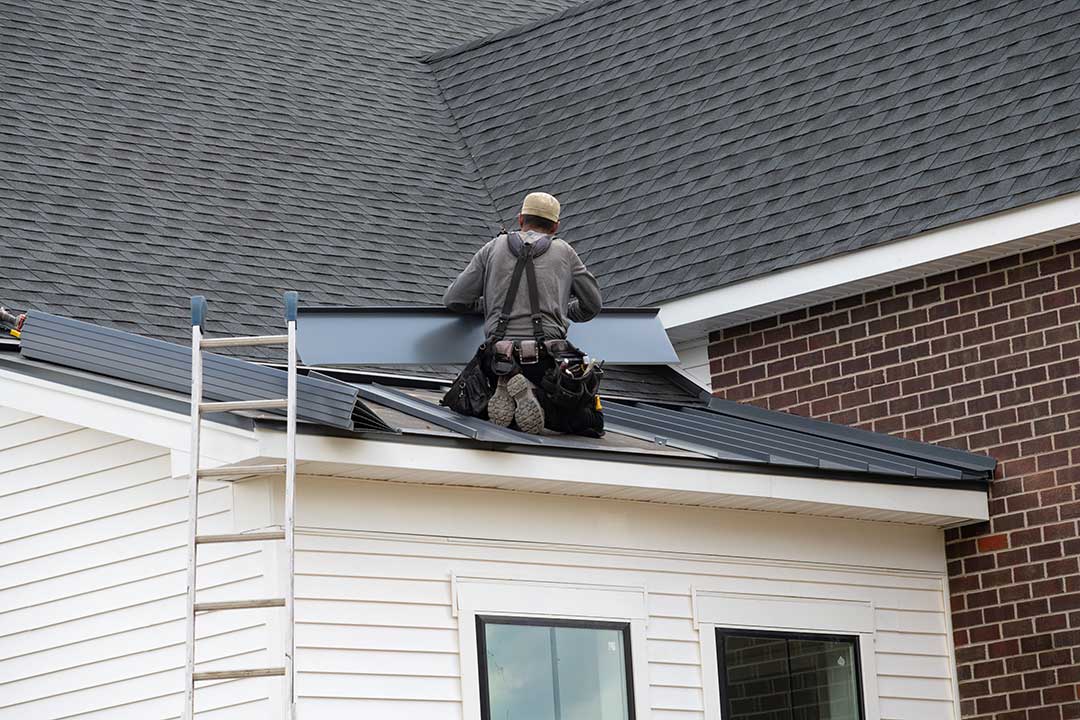
Installing panels on an aging roof can create a practical problem. If the roof needs replacement several years later, the panels may need to be removed and reinstalled. That adds cost, labor, and material use. A roof with substantial wear may be a poor foundation for a solar investment.
Before considering solar, property owners should understand:
- Whether the roof has enough remaining service life
- Whether snow and wind loads have been considered
- Whether trees or nearby structures create persistent shade
- How flashing and penetrations will be handled
- Whether local permits or electrical requirements apply
- How future roof repairs would be performed
Solar works best as part of a coordinated roof and energy plan rather than as an isolated upgrade.
What is the most practical green roofing improvement?
For many households, the most practical approach is improving the performance of the existing roof rather than installing an elaborate specialty system. A well-maintained roof with effective insulation and ventilation can reduce waste and energy loss without major structural changes.
Useful steps may include:
- Repairing leaks before they damage decking or insulation
- Replacing failed flashing around chimneys, skylights, and vents
- Improving attic insulation where appropriate
- Sealing air leaks between the living space and attic
- Keeping drainage paths clear
- Choosing durable materials during the next replacement
- Selecting colors and products suited to the roof’s slope and exposure
- Planning replacement so usable materials are not discarded prematurely
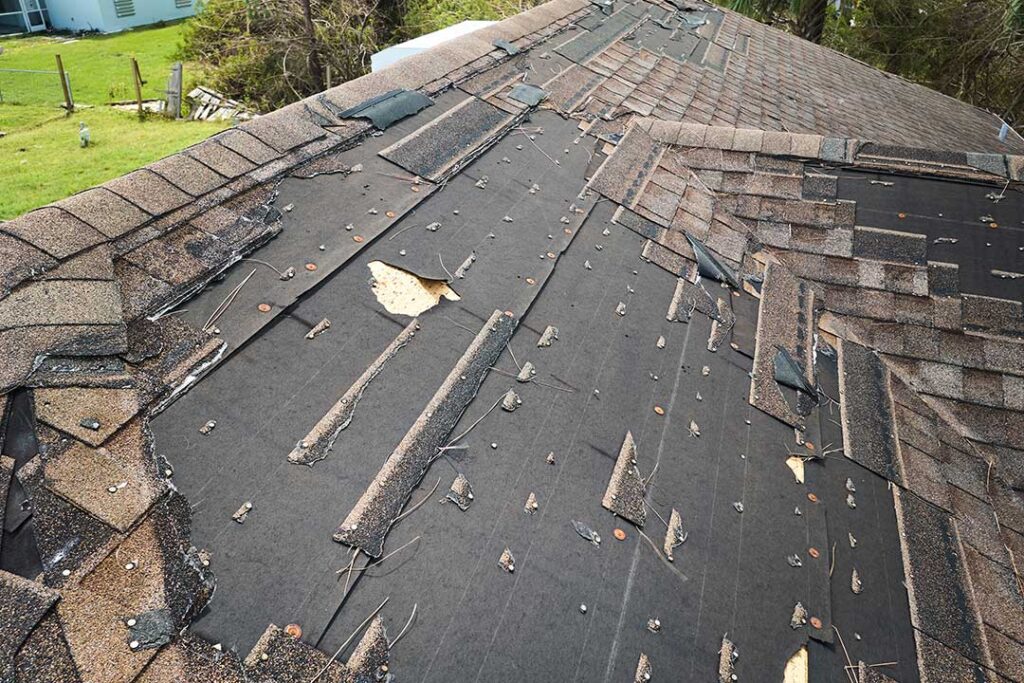
Roof maintenance also has an environmental benefit. Extending a roof’s service life by several years can delay manufacturing, transportation, tear-off, and disposal of replacement materials.
Are green roofing options worth the added cost?
They can be, but the answer depends on the building and the specific improvement. A living roof may be worthwhile for a purpose-built structure with adequate support and a clear maintenance plan. A reflective roof may provide some summer benefit, but insulation and air sealing may offer greater value in a typical home. Recycled-content materials may be a reasonable choice when their service life and installation requirements are suitable.
A useful evaluation should consider:
- Initial installation cost
- Expected service life
- Maintenance requirements
- Structural changes
- Snow and moisture performance
- Repair access
- Energy savings
- Disposal or recycling options
- Compatibility with future solar installation
For many Lockport households, the strongest environmental choice is a durable, well-insulated, properly ventilated roof that is maintained before small problems become major replacements. Specialty systems can be worthwhile, but they should be judged by whole-life performance rather than by the label “green” alone.
