
Why Does Roof Drainage Matter in Lockport, NY?
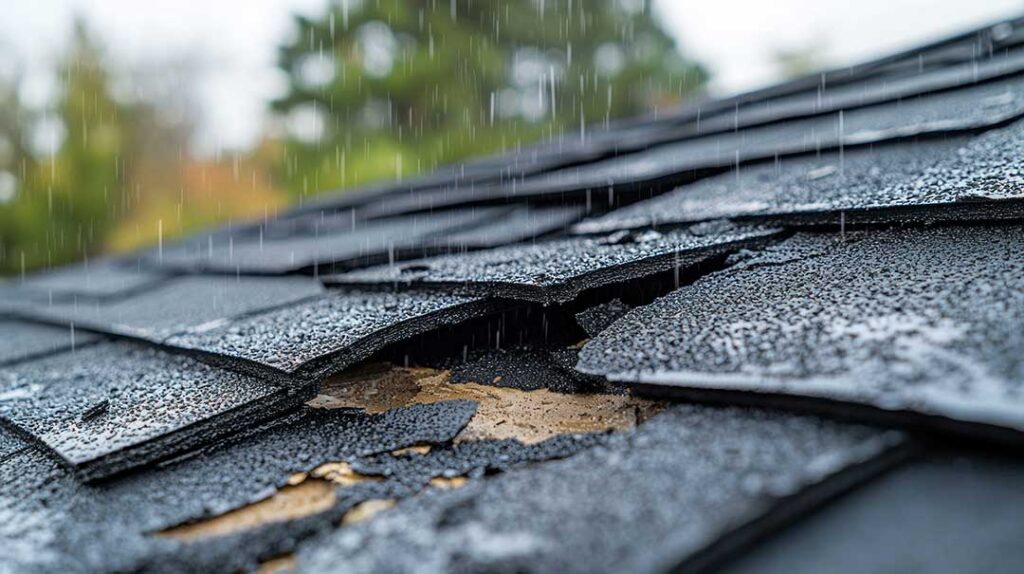
Proper roof drainage prevents water from pooling, seeping into attics, or damaging siding and foundations. In Lockport, the combination of heavy spring rains, snowy winters, and fall leaf drop means roofs are regularly challenged by moisture and debris. Effective drainage keeps homes drier, reduces the chances of mold growth, and limits deterioration of roofing materials.
Many local homeowners underestimate the effects of slow drainage until moisture damage appears. Shingle wear, leaking gutters, and ice dams are common signs that drainage is not working as it should.
What Are the Key Components of a Roof Drainage System?
A functional roof drainage system typically includes gutters, downspouts, roof slopes, and sometimes internal drains or scuppers. Each part helps channel water safely away from living spaces and foundations.
- Gutters: Collect rainwater running off the roof edges.
- Downspouts: Direct water from gutters to the ground or a drainage extension.
- Roof Pitch: Ensures gravity moves water toward drains or gutters.
- Splash Blocks or Extensions: Prevent soil erosion at the base of each downspout.
How Should Roof Slope and Surface Be Designed for Local Conditions?
The slope, or pitch, of a roof in Lockport needs to consider both rainfall and snow loads. A steeper pitch helps water and melting snow run off faster, which is important given the area’s winter snow accumulation and regular freeze-thaw cycles. Flat or low-slope roofs are more susceptible to pooling, and require special attention.
- Moderate to steep slopes minimize collection of water and ice, reducing the risk of leaks.
- Flat roofs often rely on internal drains or scuppers, which must be checked for clogs frequently.
- Roofing materials should be rated for freeze-thaw durability to withstand winter cycles.
How Often Should Gutters Be Cleaned or Maintained?
Gutters in the city should be inspected and cleared at least twice a year—typically in late spring after seeds and blossoms, and again after the bulk of autumn leaves have fallen. Some properties with overhanging trees may need quarterly or even monthly checks.
Letting debris build up is a leading cause of overflow, gutter detachment, and basement seepage. Local conditions—like persistent winds, poplar or maple trees, and snow buildup—can quickly fill gutters with organic materials.
- Remove leaves, twigs, and sediment by hand or scoop.
- Rinse gutters with a hose to check flow and spot hidden clogs.
- Inspect gutter hangers and seams for sagging or leaks.
- Repair or replace sections as soon as damage appears.
What About Ice Dams and Winter Blockages?
Cold winters in Lockport create special challenges with snow and ice. Ice dams form when melting snow refreezes at the eaves, trapping water behind it. This water can then leak into attics or exterior walls.
- Keep attic insulation at proper levels to minimize heat loss through the roof, which contributes to ice formation.
- Ensure ventilation allows warm air to escape, encouraging even snow melt across the roof.
- Keep gutters clear before snowfall to limit ice buildup.
- Install heating cables only if other methods do not prevent heavy ice buildup.
Can Downspout Placement Affect Yard Drainage?
Where downspouts discharge water can determine whether a basement stays dry or repeatedly floods. Water should always drain at least 3-6 feet away from the home's foundation. This is especially true in older neighborhoods in Lockport with aging foundations and high water tables.
- Use downspout extensions or splash blocks to prevent pooling near walls.
- Avoid draining into gardens, paved areas, or walkways where runoff might cause slippery spots or erosion.
- Ensure municipal storm drains are unobstructed near your property, as street drainage affects overall effectiveness.

What Are Common Mistakes With Roof Drainage in the City?
Some missteps that residents make include:
- Allowing landscaping or soil to slope toward the house, encouraging water to flow back.
- Ignoring small leaks or rusted sections in gutters until significant damage develops.
- Assuming gutter guards or covers eliminate the need for inspection—these reduce debris, but regular visual checks are still necessary.
- Relying on existing systems without accounting for changes in rainfall patterns or new tree growth nearby.
Are There Special Considerations for Historic or Older Homes?
Many houses in Lockport feature older architectural styles or have been standing for decades. These homes often have unique drainage challenges:
- Oversized downspouts may be needed if roofs are larger or have complex gables.
- Materials like wood fascia and older flashing may need more frequent attention.
- Gutters should be appropriately sized for roof area and local rainfall rates—older styles may be undersized for modern rainfall extremes.
Preserving historic details is possible while improving function, but it may require custom solutions or specialty materials. Addressing drainage early helps maintain original features and prevents expensive repairs.
How Can Residents Monitor and Prevent Problems Year-Round?
Ongoing vigilance is the best way to catch small drainage issues before they grow. Area households can:
- Observe gutters and downspouts during a rainstorm to see if water is flowing freely or spilling over.
- Watch for muddy spots or water pooling near foundations after snowmelt or heavy rain.
- Inspect attic and upper walls for signs of moisture, especially in spring and after snow has melted.
- Schedule a ladder-safe inspection at the change of every major season.
Being proactive with roof drainage pays off in dryness, comfort, and the long-term health of local homes.
