
How Can Residents of Lockport, NY Protect Their Roofs from Hurricanes?
Heavy rain, strong winds, and flying debris make hurricane season a real concern for homeowners in Lockport, NY. While major hurricanes are rare for this region, the remnants of large storms and ongoing severe weather can still cause significant roofing damage. Staying prepared helps local households avoid costly repairs and protect their property during extreme weather events.
What Roof Issues Should Lockport Residents Watch for Before Hurricane Season?
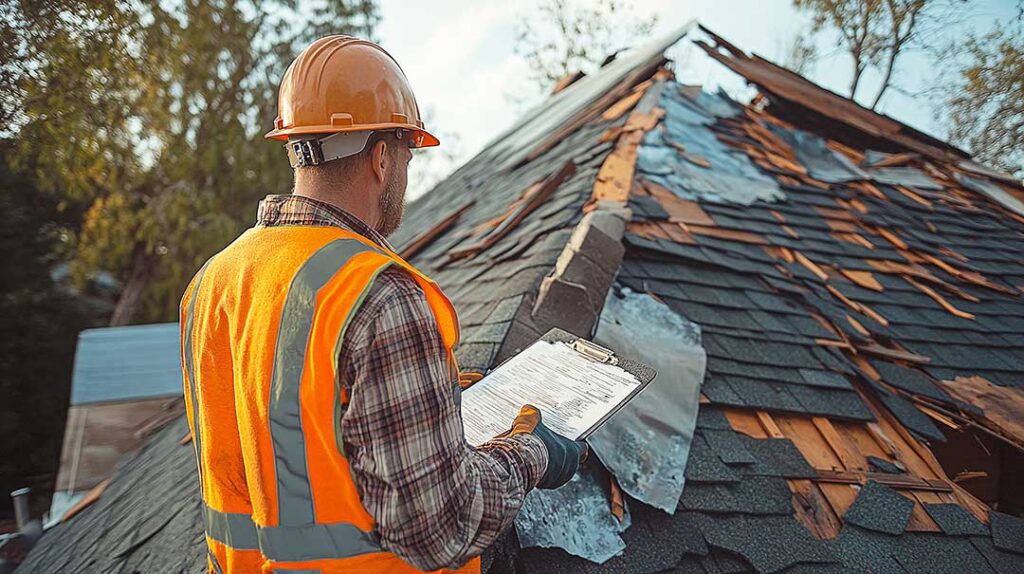
Start by visually inspecting your roof for signs of wear and potential vulnerabilities. Shingles that are curled, missing, cracked, or otherwise damaged are particularly susceptible to being ripped away by high winds. Pay attention to:
- Loose or missing shingles—even a few can allow water intrusion
- Popped nails, lifted edges, or sections that look uneven
- Moss or algae growth, which could signal trapped moisture and weak decking
Some homes in Lockport may have older roofing, especially in historic neighborhoods where original materials remain. Age increases the risk of water damage because older shingles and underlayment lose their ability to shed water and resist wind.
Why Are Gutters and Downspouts Important for Roof Protection?
Proper drainage is essential for preventing water buildup that can back up onto the roof deck or soffit. Gutters filled with leaves, pine needles, and other debris will overflow during heavy rain, sending water where it’s not supposed to go.
Check and clean gutters before hurricane season. Make sure:
- Downspouts are attached and direct water at least several feet from the home’s foundation
- Fasteners are secured and not pulling away from the fascia
- Water flows freely and doesn’t pool in the gutter trough
Ice and debris can loosen gutter attachments over the winter, so spring is a smart time to check. Well-maintained drainage paths reduce leaks and dampness under the roof deck.
How Should Roof Flashing Be Checked?
Flashing—thin metal installed around chimneys, vents, skylights, and valleys—seals out water at these vulnerable joints. High winds can loosen or peel up flashing, especially on older or DIY-installed roofs.
Check that all flashing is:
- Flat, smooth, and securely nailed down
- Free of corrosion, bending, or gaps
- Properly sealed at the edges with roofing cement or caulk
If you see signs of rust, splits, or peeling on the flashing, it may need replacement to prevent leaks.
Do Trees and Landscaping Pose Roof Risks in Lockport?
Tree limbs that overhang or touch the roof cause two main problems during storms:
1. Branches scraping and loosening shingles
2. Falling limbs puncturing or crushing roof surfaces
Trim branches back so nothing is within several feet of your shingles. Having a professional handle larger trees near the home ensures branches are removed safely. After high winds, check the roof for twigs, seed pods, or other small debris that might clog gutters or obscure damage.
What Local Weather Patterns Affect Roof Preparation?
Lockport’s climate includes cold, snowy winters followed by wet springs and humid summers. Freeze/thaw cycles can loosen roofing materials, and the area receives plenty of precipitation during hurricane season. Additionally, the high winds that sometimes accompany these storms may be underestimated locally compared to coastal areas.
This combination makes it critical to inspect both for visible damage and hidden weaknesses. Special attention should be given to:
- Ice dam damage from the previous winter
- Water-stained ceilings or attic insulation as signs of existing leaks
- Flashings and vents that may be loose from repeated expansion and contraction
Are There Common Mistakes Homeowners Make When Preparing Roofs?
A few things are often overlooked:
- Ignoring small leaks: Even tiny water stains inside can signal bigger roof issues, which only get worse in high winds and heavy rain.
- Delaying shingle replacement: Waiting until after the season or assuming minor damage will hold out.
- Overreliance on temporary fixes like tarps or sealants: These are not long-term solutions, especially for hurricane-strength storms.
It’s also common for residents to skip checking the attic. Look for daylight coming in through the roof (besides vents), which signals holes or missing shingles.
What Should Be Done About Roof Attachments or Equipment?
Satellite dishes, solar panels, antennas, and even holiday decorations need to be firmly anchored or temporarily removed. Anything not securely fastened can become a hazard during hurricane-force winds.
Before storm season:
- Re-secure any loose items with appropriate hardware
- Review installation guides for best anchoring practices
- Store portable items inside if possible
Is Professional Help Required for Every Repair?
Climbing a roof can be hazardous, especially in wet or windy conditions. Homeowners should only inspect from the ground or with binoculars from a stable ladder. Certain repairs—such as large shingle replacements, extensive flashing work, or damage near power lines—should be handled safely following local guidelines. For basic checks, routine cleaning, and minor non-structural fixes, most households can stay proactive without outside help.
When Should Emergency Supplies Be Kept Ready?
Storm preparedness isn’t just about structural checks. Lockport households should consider keeping the following on hand:
- Waterproof tarps and plastic sheeting for quick covering of exposed areas
- Roofing nails and a hammer for minor emergencies
- Extra shingles, if possible, that match the type and color of the home’s roof
Store these supplies in an accessible, dry place before hurricane season begins so they can be used quickly if the roof is damaged during a storm.
How Can Residents Stay Informed About Local Storm Risks?
Stay alert to seasonal forecasts and any watches or warnings issued for the Lockport area. The National Weather Service and local emergency management officials provide guidance tailored to the city’s risks. Following these updates helps households time inspections and make last-minute checks ahead of incoming storms.
