
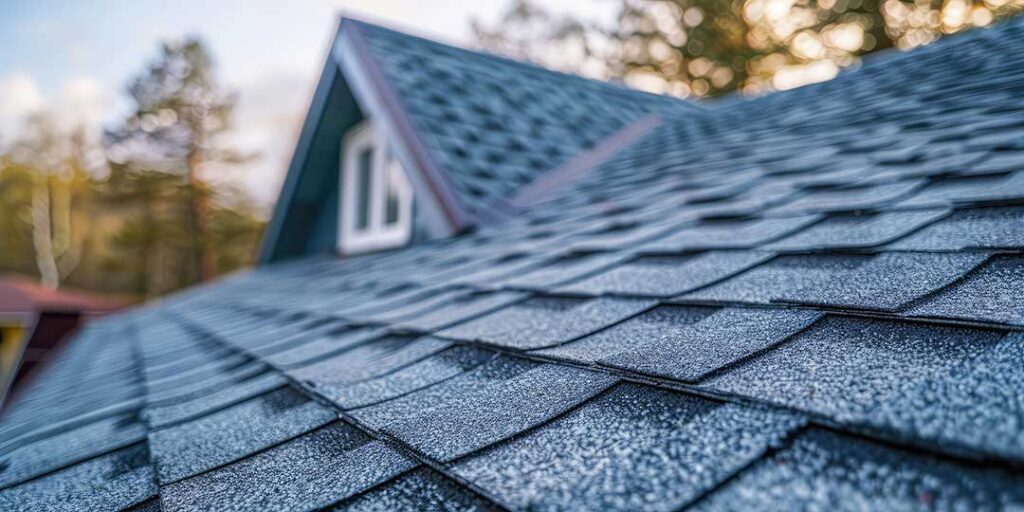
Why Are Tree Limbs a Concern for Roofs in Lockport, NY?
Tree limbs can present significant risks to roofs in Lockport, NY, especially due to seasonal weather, mature trees in residential areas, and varied roofing materials. Overhanging branches and nearby trees aren’t just an aesthetic issue; they can directly and indirectly damage roofing systems, leading to leaks and costly repairs.
Homeowners often overlook how even small limbs can wear down shingles or clog gutters. Awareness of these impacts, alongside the city's distinct weather patterns, helps residents protect their homes and avoid preventable roof troubles.
How Do Tree Limbs Cause Physical Damage to Roofs?
Overhanging limbs can scrape against roofing materials each time the wind blows. This repeated contact, particularly common during windy springs and falls in the city, slowly wears away shingles and protective granules.
- Larger branches pose a more immediate threat. During snowstorms or summer thunderstorms, heavy limbs may snap and fall onto roofs, breaking shingles, cracking tiles, or even punching holes in the surface.
- Even smaller twigs and branches that accumulate on the roof can hold moisture against shingles, increasing the risk of rot or mold, especially during Lockport’s wet autumns and snowy winters.
Residents sometimes assume only big branches matter, but regular abrasion from small limbs can shorten a roof’s life just as easily if left unattended.
Can Tree Limbs Increase the Chance of Roof Leaks?
Yes—branches that drop leaves, twigs, and seeds onto the roof contribute directly to gutter and downspout blockages. In Lockport, where heavy leaf fall is typical in autumn, clogged gutters are a widespread issue.
When gutters are blocked by organic debris:
- Water can back up, pool on the edge of the roof, and seep beneath shingles.
- Accumulated moisture accelerates wood rot near eaves, leading to hidden leaks.
- Ice dams, which are common in the area during freeze-thaw cycles, form more readily when gutters do not drain properly.
Avoiding this scenario means keeping gutters clear and being attentive to the amount of organic matter falling from nearby trees. Many local households manage leaf and limb removal as part of their autumn routine for this reason.
Are There Pest or Wildlife Issues Related to Tree Limbs Near the Roof?
Overhanging limbs close to the roof make it easier for animals to reach houses. Squirrels, raccoons, and even insects can use tree branches as easy pathways to enter attics or chew through vulnerable roof areas. In the city, this problem appears most often around homes with mature trees shading older roofs.
- Squirrels may chew through shingles or roof decking to nest in attics.
- Birds build nests in gutters or eaves, leading to further blockages.
- Ants and other insects can migrate from trees directly to moist roof areas.
The misconception is that keeping wildlife out is mainly about sealing holes, but limiting access by trimming back limbs is often just as effective, especially for homes bordering wooded lots or creeks.
Does Shade from Tree Limbs Affect Roof Longevity?
Extended shade from large tree canopies above the roof can lead to persistent dampness. In Lockport’s humid summers and wet fall months, this slows drying after rain or snow.
Effects of shade include:
- Faster growth of moss, algae, and lichen on shingles—which causes granule loss and softens asphalt materials.
- Reduced drying increases the likelihood of wood rot and shingle lifting.
- Frequent freeze-thaw cycles under shaded areas can accelerate cracking, since moisture remains longer.
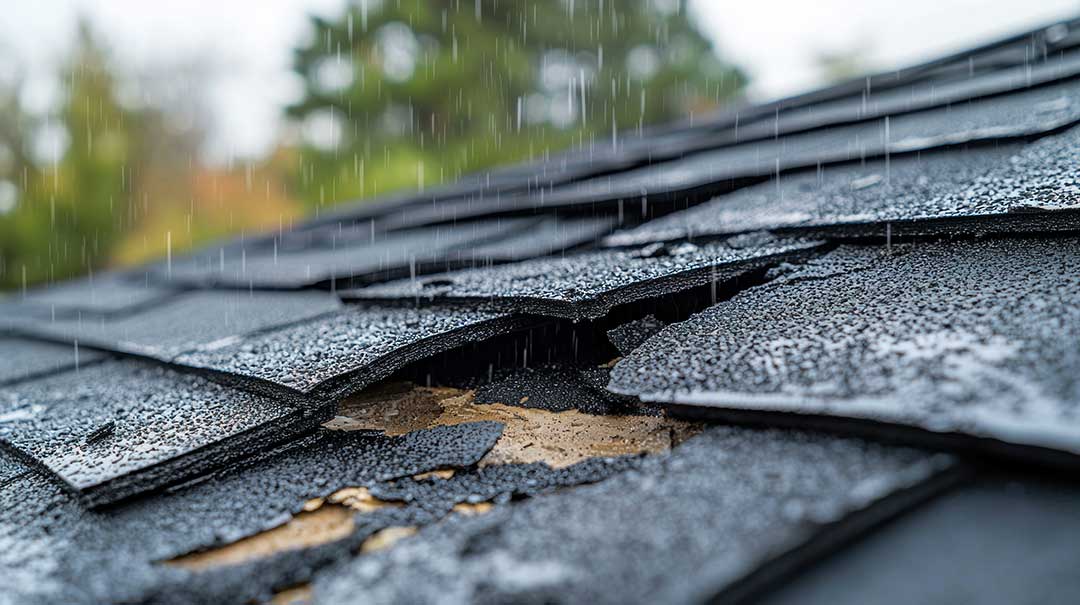
Some residents believe shade solely benefits energy savings, but the trade-off on older or poorly maintained roofs often skews toward increased maintenance needs.
How Should Residents Safely Manage Tree Limbs Near the Roof?
Routine maintenance goes a long way in preventing limb-related roof issues. Residents should inspect the space above and around their roofs seasonally, especially before and after stormy periods.
Suggestions include:
- Trim back limbs so none overhang or touch the roof (a safe distance is generally 6–10 feet, but more may be advisable to account for future growth and storms).
- Remove fallen twigs, leaves, and organic matter from both the roof and gutters during spring and autumn.
- Watch for signs of animal or insect presence, such as nests, droppings, or chewed wood.
For limbs that are large, unstable, or close to power lines, area households should seek guidance from municipal resources or utility services, as safety must always come first.
Are There Local Weather and Environmental Factors to Consider?
Lockport’s climate—marked by windy springs, humid summers, and snowy winters—shapes how residents should handle trees near their homes.
- Wind gusts can swing smaller limbs into roof surfaces, while ice and snow can cause substantial weight to build on larger branches, increasing breakage risks.
- Seasonal temperature swings contribute to the rapid degradation of any shingle or roofing area repeatedly scuffed or shaded by branches.
- Mature tree-lined streets, common in many neighborhoods, require extra attention to regular trimming and debris clean-up compared to more open subdivisions.
Growing awareness of these patterns can help local homeowners avoid preventable roof problems and extend the life of their roofs.
