
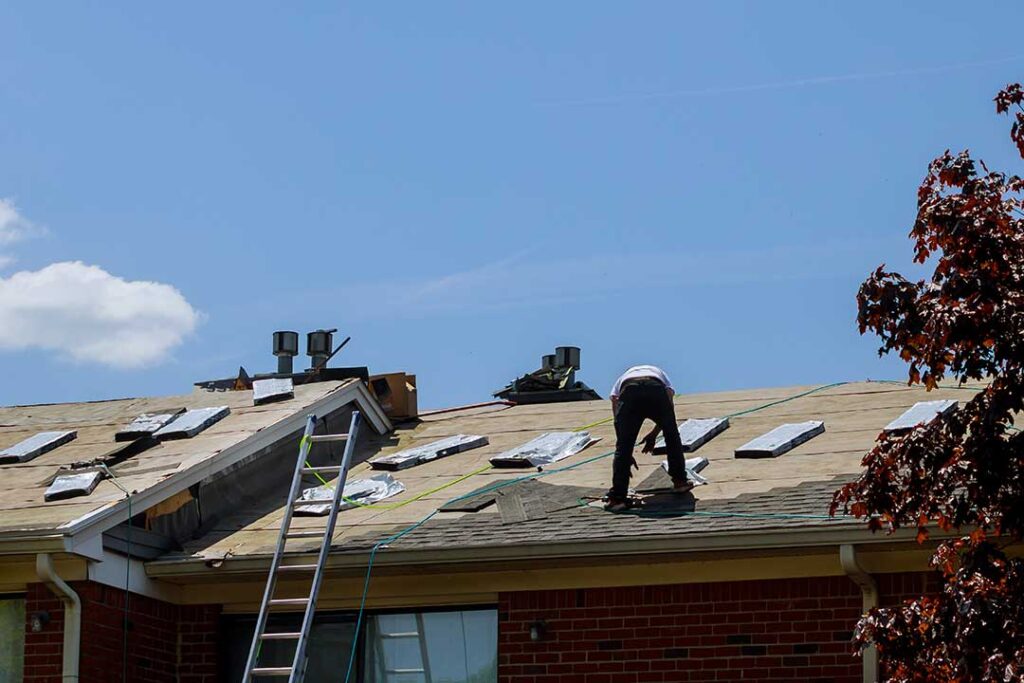
Why Should Lockport, NY Residents Check Their Roof After a Storm?
Heavy winds, rain, hail, and snow can cause hidden or visible roof problems in Lockport, NY. Checking for roof damage promptly helps catch issues early, preventing costly repairs and protecting your home from water intrusion. Even a minor leak can quickly turn serious if left unnoticed, particularly with the city’s seasonal freeze-thaw cycles and frequent lake-effect weather.
What Types of Storm Damage Should Be Checked For?
Roof damage can occur in various forms. Residents should be aware of:
- Missing or loosened shingles, often visible as bare patches or uneven shingle lines.
- Bent, cracked, or curled shingles, which can signal wind damage.
- Accumulated debris, such as fallen branches or leaves, which could puncture or trap moisture.
- Exposed or damaged flashing, especially around chimneys, vents, and roof edges, leading to leaks.
- Granule loss, usually seen as dark or shiny areas on the shingles, or granules collected in gutters.
- Dents, holes, or bruising on shingles due to hail, which may not be easily visible from the ground.
- Blocked or broken gutters and downspouts that impede water flow and can cause buildup along the roof eaves.
These issues can look minor but may lead to interior water leaks, insulation problems, or structural damage if ignored.
Is It Safe to Inspect a Roof Yourself?
A quick visual inspection from the ground or a sturdy ladder is generally safe for most homeowners, but climbing onto a roof can be hazardous. The risk increases after storms due to wet or unstable surfaces. Residents should avoid going onto the roof if:
- The roof is steep, slippery, or covered in ice/snow.
- Winds are still strong.
- Electrical wires are down or trees are touching the roof.
When in doubt about safety, focus on an exterior inspection from the ground, using binoculars if available, and check inside your home for leaks or stains.
How Can Homeowners Check for Damage From the Ground?
Start by walking slowly around the home’s perimeter. Look for:
- Shingles scattered in the yard or noticeable on the ground.
- Piles of granules near gutter downspouts.
- Damaged or displaced metal flashing protruding from roof edges.
- Sagging or blocked gutters.
- Signs of water stains, bubbling paint, or damp patches inside on ceilings or walls.
Binoculars can help you get a closer look at shingle condition, especially along the roof ridge and edges. Do not climb on wet surfaces or attempt to access the roof without proper equipment and experience.
How Does Lockport’s Climate Influence Common Roof Issues?
Lockport’s location near Lake Ontario means area roofs deal with heavy snow loads in winter, periodic ice dams, and abrupt spring thaws. These factors can compound storm damage, such as:
- Ice dams forcing water under shingles if gutters are clogged with storm debris.
- Rapid thawing after snow or hail increases water entry risks through small gaps.
- Freeze-thaw cycles widening existing cracks or damaged flashing.
Residents should pay extra attention to attic spaces after storms for any new water staining, musty odors, or damp insulation, as these may be the first indicators of post-storm roof failures.
What Are Common Signs of Water Getting into the House?
Water entry is one of the most significant risks after a roofing event. Early warning signs include:

- Brown or yellow stains on ceilings and walls, especially below rooflines.
- Peeling paint, bubbling drywall, or sagging ceiling materials.
- Moist, moldy, or musty odors in attics or upper floors.
- Drips, puddles, or damp insulation in the attic after rain.
Don’t overlook slow leaks—small amounts of moisture might go unnoticed for days or weeks, but may lead to structural weakening or mold growth.
Are There Misconceptions Lockport Residents Should Avoid?
Some assume if there’s no visible hole or missing shingle, their roof survived unscathed. In reality, hail bruising, minor flashing breaks, or hidden shingle cracks are easy to miss from the ground. Another misconception is that damage always shows up immediately; sometimes, leaks or problems surface after another rain or following seasonal thaw cycles common in Lockport.
Also, it’s often overlooked that gutter and downspout damage can be just as serious as shingle loss, leading to water pooling along the foundation or under siding.
What Should Residents Document If Damage Is Found?
Careful documentation can help with insurance claims or future repair planning. Residents should:
- Take clear, dated photographs of any shingle, gutter, flashing, or visible water damage.
- Keep notes on the date and type of storm.
- Save samples (such as shingle pieces or detached flashing) if found in the yard.
- Record interior signs like ceiling stains or water drips with location details.
Staying organized makes repairs easier and helps clarify damage for adjusters or contractors if needed for safety or major repairs.
When Is Professional Help Necessary?
While many checks can be done from the ground or inside the home, residents should seek professional assistance if:
- Roof damage poses immediate safety hazards, such as exposed nails, major leaks, collapsed structures, or downed power lines.
- There is a risk of falling when attempting to inspect high or steep roofs.
- Significant water entry, large structural cracks, or visible holes are detected.
Routine ground and attic checks by homeowners catch many common problems early. For complex or hazardous situations, repair or assessment should only be performed by those with the necessary training and equipment.
