

Which Roof Style Is More Common in Lockport, NY?
Flat and sloped roofs are both found across Lockport, but their presence often depends on the age and style of the home. Most single-family houses in the city feature sloped roofs, while flat roofs appear more often on certain older buildings, multifamily units, and some commercial structures. This pattern reflects not only tradition but also adaptation to the local climate.
How Does the Local Climate Affect Roof Choice?
Sloped roofs shed rainwater and snow effectively, which matters in the region’s snowy winters and wet springs. Flat roofs require reliable waterproofing and proper drainage since snow and ice can accumulate instead of sliding off. Although modern flat roofs are built to handle local conditions, heavy or prolonged snowfall still poses maintenance challenges.
- Sloped roofs prevent water pooling and ice damming, which can help avoid leaks.
- Flat roofs depend on drains and membranes that must be regularly cleared and checked, especially after storms or thaws.
Construction, Cost, and Durability: What’s the Difference?
Both roof types come with distinct advantages and maintenance needs. Sloped roofs use rafters and trusses to form their angle, while flat roofs rely on horizontal joists and multiple layers of waterproofing materials.
*Sloped Roofs*:
- Typically built with asphalt shingles, metal panels, or slate.
- Material and labor can be higher due to roof pitch and installing on an incline.
- Designed for longer lifespans—shingle roofs may last 20-30 years, metal even longer.
*Flat Roofs*:
- Constructed with layers of built-up roofing, rubber (EPDM), or modified bitumen.
- Generally require less exterior material, sometimes making initial installation less expensive.
- Lifespan averages 10-20 years, depending on materials and upkeep.
In many cases, repairs on sloped roofs can be more challenging due to accessibility and safety concerns, whereas flat roofs are easier to walk on but may require more frequent inspections.
Energy Efficiency and Living Space: What Should Homeowners Consider?
A commonly overlooked aspect is how each style affects the indoor environment and usable space. Sloped roofs often create attic or vaulted ceilings, providing extra insulation, storage, or even living area. Flat roofs do not create natural attic spaces but offer potential for rooftop decks, solar panels, or green roofs, though local codes and weight limits must be checked first.
Energy efficiency depends on insulation and roof color more than the shape itself. However, sloped roofs with attics can be easier to insulate with traditional materials. Flat roofs often require specialized insulation systems placed directly under roofing layers.
Maintenance Realities: What Do Local Residents Experience?
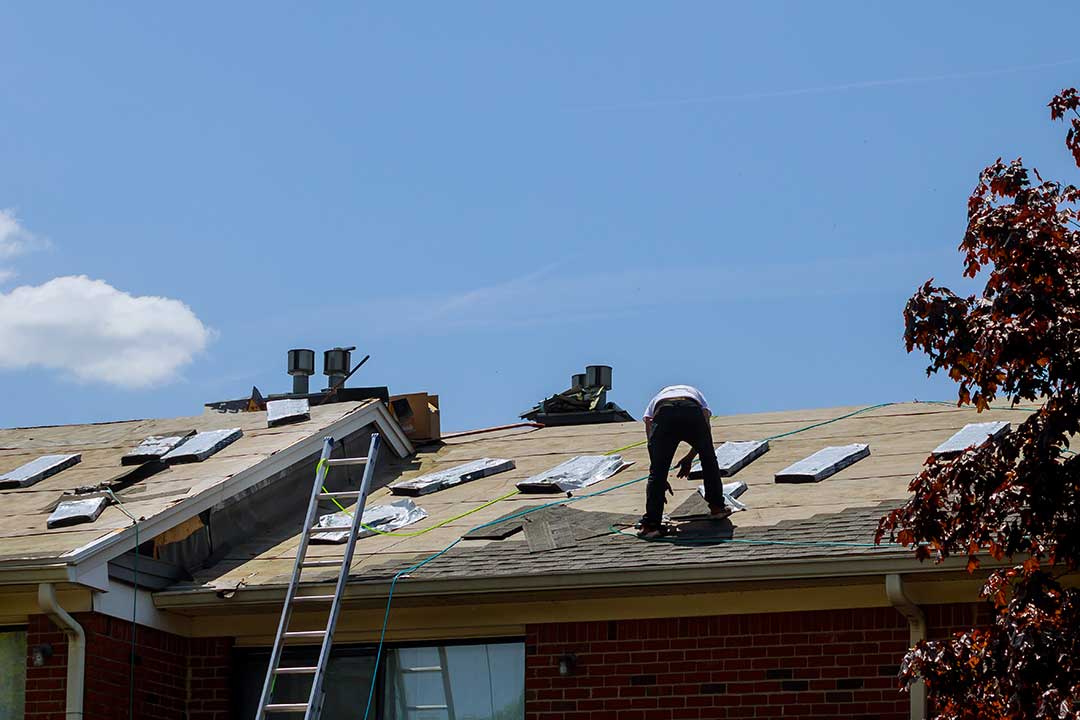
Both roof types require regular upkeep, but the kind of maintenance differs. In the city’s seasonal climate:
- Flat roof owners need to pay close attention to drainage points and check membranes periodically for cracking or bubbling, particularly after freeze-thaw cycles.
- Sloped roof owners mostly look for missing shingles, loose flashing, and signs of ice damming at the gutter edges.
Misconceptions sometimes arise—some assume flat roofs always leak, or that all sloped roofs are maintenance-free. In reality, care and timely repairs play a much bigger role in lifespan and performance than style alone.
Are There Roofing Restrictions or Code Considerations?
Most residential areas in Lockport allow both roof types, but historical districts or neighborhood guidelines may restrict visible alterations. Adding a rooftop deck or converting a flat roof space for living use often requires permits and must meet strict structural standards.
Homeowners should verify property records and zoning before planning significant changes, and remember that local snow load requirements can affect roof design, especially for flat surfaces.
What Should You Weigh When Deciding Between Flat and Sloped Roofs?
Choosing the best style is about more than appearance. Consider:
- Ease of snow and rain removal—sloped roofs handle precipitation with less risk of pooling, while flat roofs require vigilant drainage management.
- Long-term maintenance commitment—flat roofs may need more frequent inspection and repairs; sloped roofs may incur higher material and labor costs at installation or during major repairs.
- Lifestyle goals and use of space—do you value walkable roof space, or would you prefer a naturally ventilated attic?
- Future plans—adding solar panels is usually possible on either, but flat roofs sometimes offer simpler installation for these features.
For many in the community, neighborhood style, existing structure, and personal preference are the deciding factors.
