

Roof damage rarely stays limited to the spot where it first appears. A missing shingle, loose flashing, or small ceiling stain can allow water to move into insulation, wood framing, drywall, and electrical components. In Lockport, NY, repeated freeze-thaw cycles, snow, wind, and heavy rain can make minor roof defects more serious over time.
Why can a small roof problem become a major repair?
A roof is a layered system. Shingles or other exterior materials shed most water, while underlayment, flashing, ventilation, insulation, and structural framing provide additional protection. If one part fails, water may travel away from the original entry point before becoming visible indoors.
For example, a leak near a roof penetration may run along rafters and appear as a stain several feet away. By the time water is visible on a ceiling, surrounding materials may have been wet for weeks or months.
Delayed repairs can lead to:
- Damaged roof decking beneath the exterior covering
- Wet or compressed insulation
- Stained, weakened, or crumbling drywall
- Rot in rafters, trusses, or wall plates
- Mold growth when moisture remains trapped
- Corrosion around fasteners, vents, and metal components
The visible symptom is often smaller than the underlying problem.
What damage can a neglected leak cause inside a home?
Water intrusion can affect more than ceilings and walls. It may enter attic spaces, exterior walls, and areas around chimneys, vents, skylights, or roof-to-wall connections.
Wet insulation loses effectiveness and may remain damp against wood framing. Persistent moisture can contribute to decay, especially where air movement is limited. Wood that stays wet may soften, discolor, or lose structural strength.
Electrical hazards are another concern. Water that reaches wiring, junction boxes, light fixtures, or other electrical equipment can create shock or fire risks. A ceiling stain beneath a light fixture should not be treated as a cosmetic issue.
Interior warning signs include:
- Brown, yellow, or spreading ceiling stains
- Peeling paint or bubbling drywall
- Damp or musty attic odors
- Mold-like spotting
- Dripping during rain or snowmelt
- Sagging ceiling sections
- Damp insulation or darkened roof sheathing
A leak may stop temporarily after weather improves without being repaired. That does not mean the roof has dried out or the underlying defect has corrected itself.
How do snow, ice, and freeze-thaw cycles affect roof damage?
Cold-weather conditions can accelerate existing weaknesses. Water enters a crack or loose seam, freezes as temperatures drop, and expands. Repeated cycles can widen gaps in flashing, split damaged materials, or loosen fasteners.
Snow can also hide damaged shingles and make visual inspection difficult. As snow melts, water may collect near blocked drainage paths or vulnerable roof transitions. Ice buildup along roof edges can interfere with drainage and push water beneath exterior materials.
After winter weather, homeowners may notice:
- New ceiling stains
- Loose or missing shingles
- Bent or separated flashing
- Granules collecting in gutters
- Damaged vent covers
- Sagging gutters or downspouts
- Water entering around roof penetrations
Snow should not be removed from a roof by untrained individuals using improvised tools. Walking on icy or snow-covered roofing can cause falls and damage the roof surface.
Can a roof leak cause mold or indoor air-quality problems?
Yes. A roof leak can contribute to mold growth when moisture remains in drywall, insulation, wood, or other porous materials. Mold does not require a dramatic flood; repeated dampness or slow leaks may be enough.
The risk depends on factors such as temperature, ventilation, material type, and how long the area remains wet. Musty odors, visible spotting, or recurring dampness in an attic or upper room may indicate a moisture problem that needs investigation.
Simply painting over a stain does not remove wet materials or address the source. The roof defect must be corrected, and affected building materials may need to dry fully or be removed if they cannot be restored safely.
People with asthma, allergies, or other respiratory sensitivities may be more affected by damp indoor conditions. Persistent moisture concerns should be addressed promptly, particularly in occupied bedrooms or living areas.
What happens if damaged shingles or flashing are ignored?
Shingles that are cracked, curled, lifted, or missing leave the roof system more exposed to wind and water. A single damaged shingle may not produce an immediate interior leak, but the underlayment and decking can deteriorate with continued exposure.
Flashing is especially important because it seals transitions and penetrations, including areas around chimneys, vents, walls, and roof edges. Failed flashing can allow water into concealed spaces even when the surrounding shingles appear intact.
Ignoring these defects may result in:
- Progressive loss of weather protection
- Greater wind damage during storms
- Water damage to roof decking
- Rusted or deteriorated metal components
- More extensive interior repairs
- Shorter remaining service life for the roof system
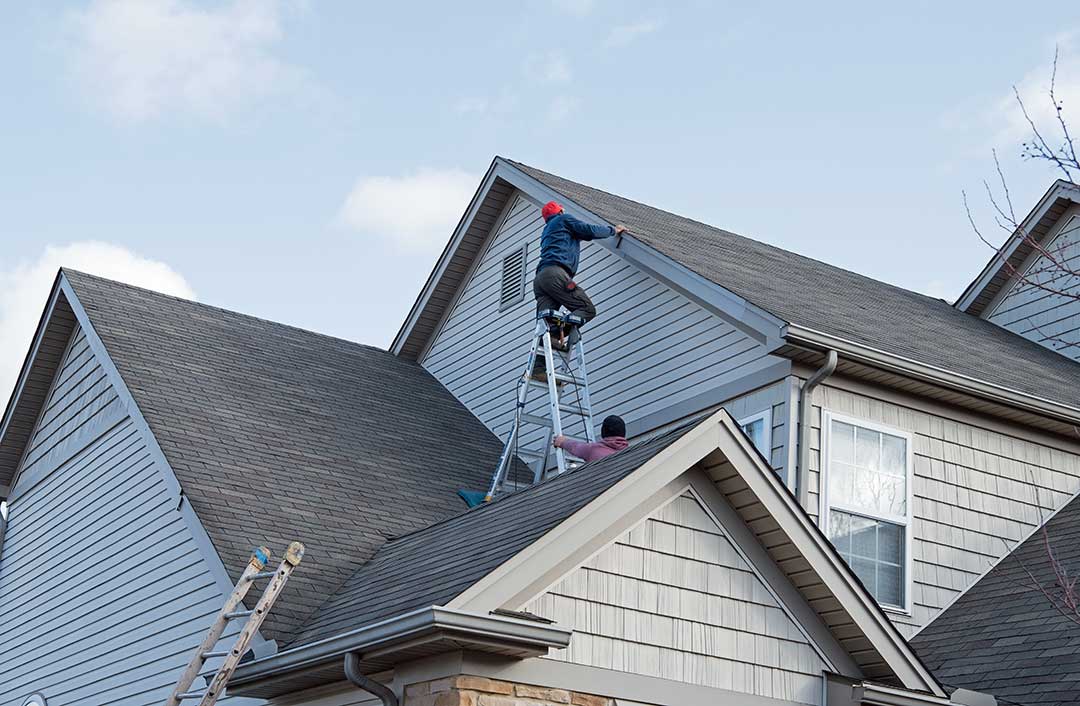
A roof that looks acceptable from the ground may still have problems in areas that are difficult to see safely.
Is a ceiling stain always caused by the roof?
No. Ceiling discoloration can also result from plumbing leaks, bathroom condensation, ice-related moisture, or problems with exterior walls and attic ventilation. However, roof leaks should be considered when stains appear after rain, snowmelt, or strong wind.
The location of a stain does not reliably identify the source. Water can travel along framing, insulation, ductwork, or wiring before reaching the ceiling. A stain near an exterior wall may originate from a roof edge or flashing detail rather than from the wall itself.
Documenting when the stain appears can help identify patterns. Useful observations include:
- Whether it appears during rain or only during snowmelt
- Whether the stain grows after wind
- Whether water is near a vent, chimney, skylight, or roof valley
- Whether attic materials feel damp
- Whether the problem occurs in one season or throughout the year
If water is actively entering, containers can protect flooring temporarily, but they do not resolve the source.
Which roof problems require urgent attention?
Some conditions should be treated as urgent because they involve immediate safety or structural concerns. These include active water near electrical equipment, a sagging ceiling, a large area of missing roofing, exposed roof decking, major storm damage, or signs that part of the roof may collapse.
Until the area is assessed:
- Keep people away from sagging ceilings or visibly unstable areas.
- Avoid touching wet electrical fixtures or wiring.
- Move furniture and valuables away from active drips if it is safe.
- Use temporary containers for water, but do not climb onto the roof.
- Photograph visible damage from a safe location for records.
Emergency conditions are different from minor maintenance issues. A small lifted shingle may allow time for careful evaluation, while active interior flooding or structural movement requires immediate safety measures.
How can homeowners reduce the risk of neglected roof damage?
Routine observation helps identify problems before they spread. After severe weather, inspect the ground around the home for shingle fragments, metal pieces, or unusual granules. From the ground, look for visible gaps, sagging gutters, or materials that appear lifted.
Inside, check attic areas and upper ceilings for dampness, staining, or musty odors. Keep gutters and drainage paths clear of leaves and accumulated debris, while avoiding unsafe roof access. Proper attic ventilation and insulation also help manage moisture and temperature changes, although they cannot compensate for failed roofing materials.
Repairs are generally less disruptive when the problem is limited to one component. Delaying action can allow water to affect several layers of the building, increasing the time, materials, and disruption required to restore the area.
