

Why Prepare Your Roof for Winter in Lockport, NY?
Preparing a roof before winter helps protect homes from heavy snow, ice, and frequent freeze-thaw cycles. Area households face unique weather patterns, including substantial snowfall and temperature swings that can stress roofing materials and vulnerable areas like gutters and flashing.
Neglecting roof readiness before winter often leads to leaks, ice dams, and expensive repairs during the coldest months. By planning ahead, residents can avoid many of these common issues.
What Should I Check on My Roof Before Winter Arrives?
Begin by visually inspecting the roof for signs of wear. From ground level or using binoculars, watch for:
- Broken, missing, or curled shingles
- Sagging along the ridge or in flat areas
- Flashing that appears bent, rusted, or missing
- Debris, such as branches or leaves, piled against roof valleys or in gutters
If any issues are spotted, addressing them before harsh weather starts is key. Even seemingly minor flaws can allow water intrusion once snow and ice arrive.
How Do I Clean My Gutters and Downspouts in the Fall?
Gutters must be cleared of leaves and debris so melting snow and rainwater drain freely. In autumn, Lockport properties often see large amounts of leaves and sticks collecting in gutters, which can block water flow and lead to ice dams.
Safe and effective gutter cleaning involves:
- Using a sturdy ladder placed on level ground
- Wearing gloves to scoop out leaves and organic debris
- Rinsing gutters with a garden hose to check for blockages
- Ensuring downspouts drain at least several feet away from the home’s foundation
Consider installing gutter guards if leaves are a recurring nuisance, but always check that guards themselves aren’t clogged.
How Do I Spot Potential Leak Risks?
Common leak sources include cracked caulking around vents or chimneys, loose flashing, and worn membrane areas on low-slope roofs. Shine a flashlight inside the attic on a clear day to check for pinholes of light or dark, discolored spots that may indicate moisture. After heavy rain, attic inspections can also reveal damp insulation or musty odors—both signs water is finding its way inside.
Do I Need to Remove Tree Branches or Debris?
Overhanging tree limbs can scrape the roof during storms or snap under snow weight, potentially causing damage. Remove branches extending over the roof and trim back tree growth in the fall. Clearing away moss, lichen, and leaves also reduces trapped moisture and surface decay. Debris should never be left to accumulate, as it provides a foothold for ice and creates a dam that prevents normal drainage.
How Do I Help Prevent Ice Dams?
Ice dams develop when warm air from the home's interior melts snow on the upper roof, which then refreezes at the eaves, forcing water beneath shingles. In Lockport, ice dams are common due to variable winter temperatures and prolonged snow cover.
Key steps to limit ice dam risks:
- Improve attic ventilation to keep the roof’s underside cold and minimize snowmelt
- Increase insulation levels to slow heat loss into the attic
- Seal air leaks around attic openings, vent pipes, and lighting fixtures
If ice dams have occurred in past winters, these upgrades can make a significant difference.
Should I Check My Attic Ventilation and Insulation?
A well-ventilated attic helps regulate moisture and temperature, crucial for both energy efficiency and roof health. During winter, poor ventilation can trap warm air beneath the roof decking, raising the risk of condensation, wood rot, and ice dams.
Inspection steps include:
- Verifying soffit (eave) and ridge vents are clear of obstructions
- Checking for even insulation coverage with no gaps
- Assessing attic humidity, which should not feel damp compared to the rest of the house
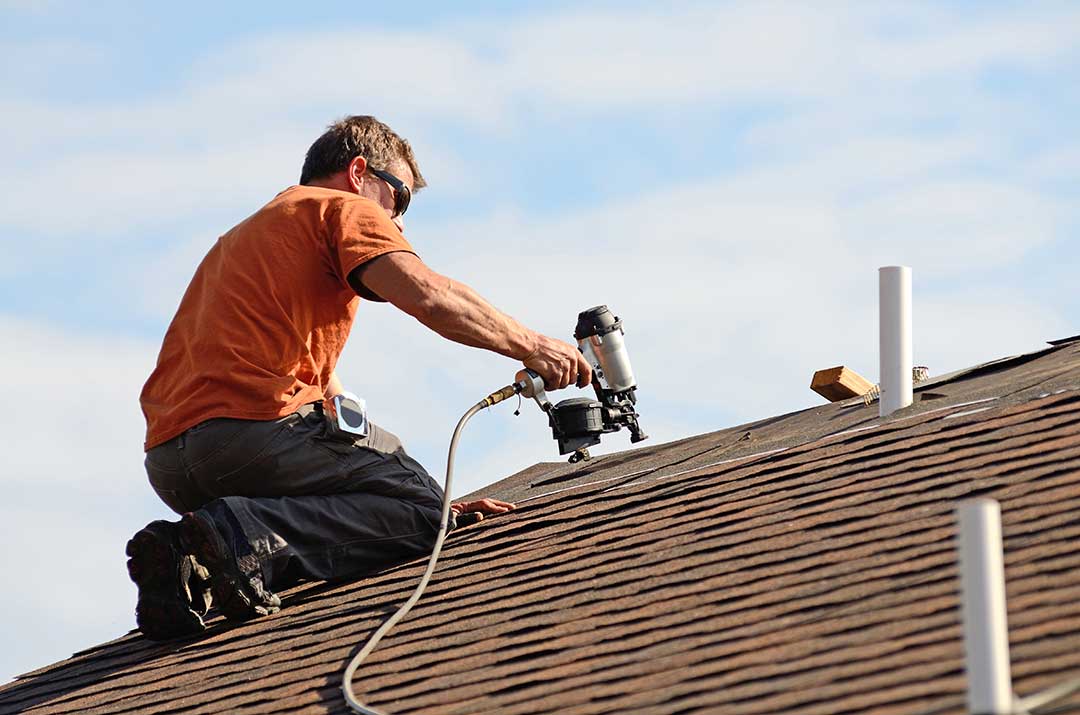
Upgrading or evenly distributing insulation is often a manageable DIY project, provided safety and local codes are followed.
What Safety Precautions Should I Take?
Roof and ladder work present fall hazards, especially during wet or icy conditions typical in this region. Only attempt inspections or minor maintenance if you are comfortable and the conditions are dry and stable.
Key safety tips for residents:
- Never walk on icy or snowy roofs
- Wear nonslip shoes and use a harness on steep roofs
- Enlist someone to assist from the ground if using a ladder
Where high roofs, moldy decking, or other hazards exist, seeking guidance from a qualified person is the safer approach.
Are There Local Issues or Regulations to Be Aware Of?
Older homes in Lockport often have steeper roofs and older gutters that may not meet current standards for snow and ice management. Local building codes recommend a minimum snow load capacity; residents should confirm any roofing upgrades are compliant before cold weather sets in.
Blocked sidewalks or overhanging ice can be a safety issue for pedestrians. Residents are responsible for maintaining roof drainage in a way that prevents dangerous conditions on neighboring walkways.
What Are Some Easy Maintenance Tasks for Most Homeowners?
For many residents, fall is the best time for minor roof care:
- Remove debris from roof surfaces and gutters
- Check and reseal caulking around chimneys and roof vents
- Inspect attic insulation and ventilation
- Install heating cables (where allowed) at eaves prone to ice damming
Addressing small issues now protects homes through the winter and helps prevent sudden repairs during snowstorms.
