

How Does Sun Exposure Affect Roofs in Lockport, NY?
Roofs in Lockport, NY contend with long summer daylight hours, frequent freeze-thaw cycles, and plenty of year-round UV exposure. Sunlight—especially its ultraviolet rays—can gradually wear down roofing materials, shorten the life expectancy of common residential roofs, and even affect indoor temperatures. Local homes, many built decades ago, frequently show the marks of years spent under the sun.
Can Ultraviolet (UV) Rays Really Damage Roofing Materials?
Yes, UV rays from the sun steadily break down roofing materials over time. This is especially true for asphalt shingles, the most common type on Lockport homes.
Direct UV exposure:
- Causes roofing materials to dry out and become brittle.
- Fades shingle color, which sometimes signals underlying wear.
- Degrades the uppermost layer, making roofs more prone to leaks or surface cracks.
Other materials, such as wood shakes and some plastics, are also vulnerable. Even metal roofs can suffer from protective coating breakdown, leading to corrosion if not properly maintained.
What Signs of Sun-Related Wear Should Area Residents Watch For?
Homeowners might notice certain patterns of deterioration that are tied to sun exposure:
- Shingles curling, cracking, or breaking apart.
- Granule loss on asphalt shingles (these tiny granules protect against sun and rain).
- Changes in roof color, especially bleaching or uneven fading.
- Warped or split wood shakes.
- Fraying along shingle edges.
South-facing and west-facing roof slopes in the area endure the most intense afternoon sun, so these surfaces often show more wear than north or east slopes.
How Does Summer Heat Intensify Sun Damage?
During sunny summer afternoons, roof surfaces in Lockport can become extremely hot—sometimes exceeding 140°F (60°C). This heat accelerates the effects of UV breakdown, especially when:
- The roof is a dark color, which absorbs more sunlight.
- There is inadequate attic ventilation, trapping even more heat underneath.
- Roof materials are older or have already been weathered by previous seasons.
Temperature swings, where hot days turn into cool nights, can also make materials expand and contract, slowly loosening roof components or causing small splits. Over years, these minor strains add up.
Are Certain Roofing Materials Better Suited for High Sun Exposure?
Some roofing materials stand up to sun better than others, which matters for Lockport homes exposed to direct sunlight across four seasons:
- Architectural asphalt shingles often last longer than traditional 3-tab shingles because they're thicker.
- Metal roofs, if coated and maintained well, reflect sunlight and release heat quickly.
- Modern membrane roofs (on low-slope structures) may be UV-resistant by design.
- Clay or concrete tiles are rare locally, but offer excellent sun resistance if installed properly.
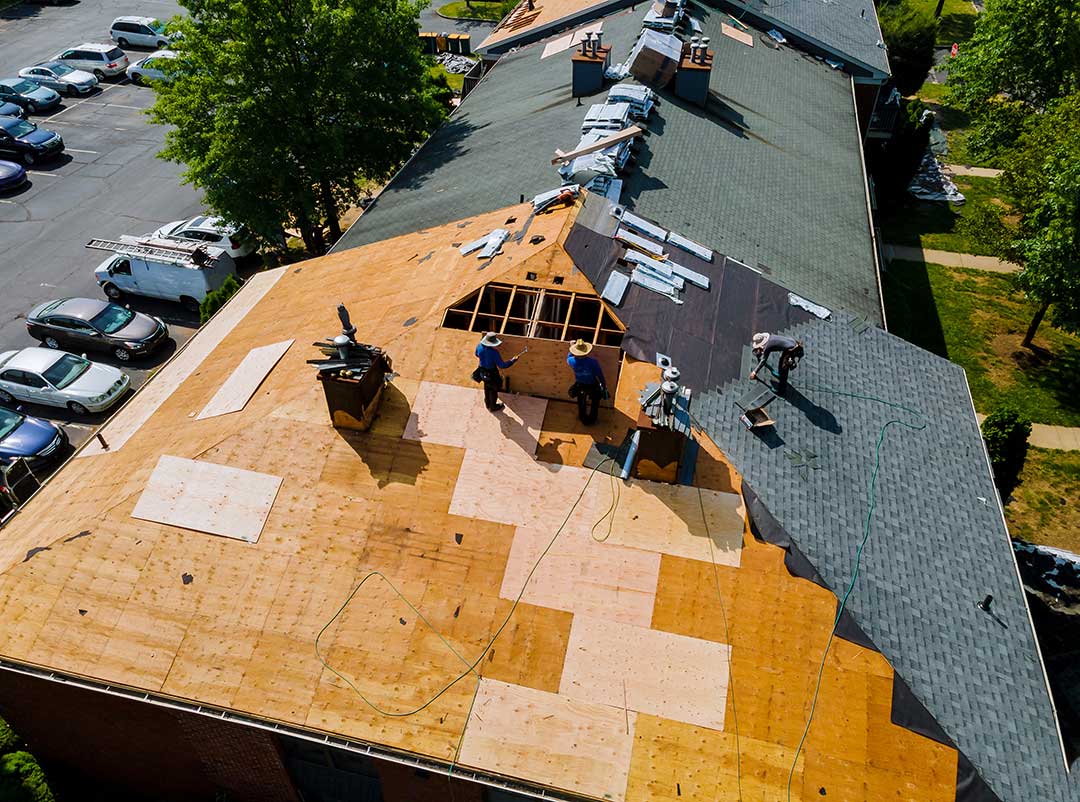
However, even durable roofs need routine checks, especially after hot summers or cold winters, to catch subtle sun damage before it leads to leaks.
Does Sun Exposure Impact Energy Efficiency Indoors?
Yes—a worn, sun-damaged roof absorbs more heat, which can transfer into attic spaces and raise indoor temperatures. This can be particularly noticeable in upper floors during the summer, causing air conditioners or fans to work harder and increasing energy bills.
Well-maintained, lighter-colored roofs reflect more sunlight and can help local residents save on cooling costs. Proper attic insulation and ventilation also keep attics cooler, reducing the impact of outside heat.
What Maintenance Helps Mitigate Sun Damage?
Regular inspection and care help preserve roofs exposed to steady sun. Practical seasonal upkeep includes:
- Removing fallen branches, leaves, and debris that can trap heat or moisture.
- Inspecting for cracked, curled, or missing shingles after every season.
- Cleaning gutters to prevent water from backing up and soaking sun-weakened spots.
- Checking for mold or lichen growth in shaded areas, as these can worsen sun damage once the surface is exposed again.
Many residents visually assess their roofs from the ground or with binoculars because it’s safer than climbing ladders. Any repairs involving steep heights or hazardous conditions are best left to those trained and equipped for roof work.
Are There Any Common Misconceptions About Sun Exposure and Roofs?
It's sometimes assumed that cloudy or cool days offer “protection,” but damaging UV rays penetrate clouds year-round. Similarly, people may think only summer sun matters, while winter sun—reflecting off snow—can amplify exposure, especially on clear, cold days.
Some residents believe new, darker shingles are always more durable; however, asphalt with lighter colors may reflect sunlight and last just as long, depending on the quality.
Finally, it’s a mistake to assume an older roof that “looks okay” is free from hidden sun damage. Many issues only become obvious after water finds a way in.
