
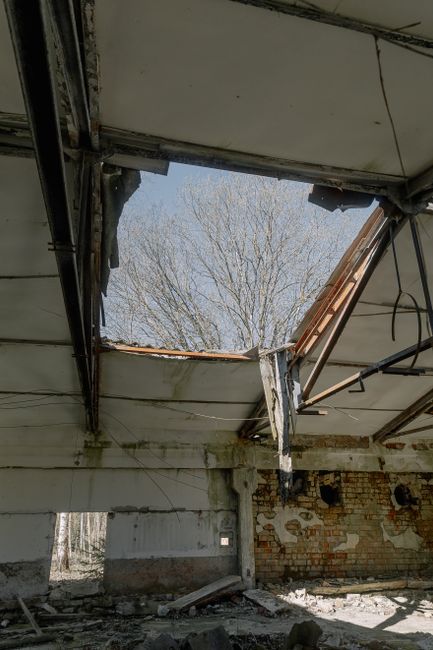
A roof leak should be treated as a water-management problem first and a repair problem second. The immediate goals are to protect people, limit interior damage, and identify whether water is still entering the building.
What should you do first after discovering a leak?
Move furniture, electronics, clothing, and other belongings away from the affected area. Place a bucket or container under active dripping, but do not stand on furniture or use unstable ladders to reach the ceiling.
If water is near a light fixture, outlet, ceiling fan, or electrical panel, avoid touching the fixture or standing in pooled water. If it can be done safely from a dry location, turn off power to the affected area. Do not enter an attic or climb onto the roof during wet, icy, windy, or stormy conditions.
A sagging ceiling requires extra caution. Water may be collecting above the drywall, and the ceiling could weaken or collapse. Keep people and pets out of the area. Do not puncture the ceiling unless directed by a qualified emergency responder or building professional who has assessed the situation.
How can you tell whether the leak is still active?
Active leaks often produce dripping, spreading stains, damp insulation, bubbling paint, or soft drywall. However, water can continue moving through roof decking, insulation, framing, and ceiling materials after the original entry point has stopped receiving rain.
Check the area during and after precipitation, but do not assume that a dry ceiling means the problem is resolved. Take photographs of:
- The ceiling stain or damaged wall
- Any dripping or pooled water
- Wet insulation or attic framing
- Damaged shingles, flashing, vents, or gutters visible from the ground
- Personal property affected by water
Photographs and notes about the date, weather, and location of the leak can help distinguish a new event from an older repair issue.
Should you inspect the attic?
An attic inspection can help locate the general path of water, but it should only be attempted when conditions are safe. Wear gloves, protective eyewear, and a suitable mask if insulation, dust, mold, or animal droppings may be present. Step only on solid framing or designated walkways; stepping between ceiling joists can break through the ceiling below.
Look for:
- Wet or compressed insulation
- Darkened wood or water marks
- Damp roof decking
- Rust around nails
- Daylight visible through the roof surface
- Water trails near vents, chimneys, skylights, or roof intersections
The wettest area inside the attic may not be directly below the exterior leak. Water can travel along rafters before entering the ceiling, so an interior stain does not always identify the precise roof opening.
Why do roof leaks appear in different places from one storm to the next?
A roof leak may depend on wind direction, rainfall intensity, ice, snow, or the amount of water flowing through a specific drainage path. A small defect may remain dry during light rain but leak during wind-driven precipitation.
Common entry areas include roof penetrations, valleys, flashing, pipe collars, skylights, and locations where roof sections meet walls. Gutters and downspouts can also contribute if water backs up beneath the roof edge.
In Lockport, seasonal changes can make this more noticeable. Freeze-thaw cycles may widen small cracks, loosen materials, or lift edges that appeared intact during warmer weather. Snow and ice can conceal damaged surfaces, while spring rain may expose problems that began during winter.
Can you make a temporary roof repair?
Temporary protection is reasonable only when it can be done without climbing onto the roof or working in hazardous conditions. A securely placed tarp may reduce additional water entry, but an improperly installed tarp can tear, collect water, damage shingles, or create a fall hazard.
Do not apply roofing cement over a wet or unknown surface as a permanent solution. Coatings and sealants may hide the source of a leak while water continues damaging the structure underneath. Do not remove snow or ice from a roof unless the work can be performed safely with appropriate equipment and training.
If emergency covering is necessary because severe weather is continuing, the priority is keeping people safe and limiting interior damage—not attempting a complete repair during dangerous conditions.
What if the leak started around a chimney, vent, or skylight?
Water entering near a roof penetration does not always mean the penetration itself is defective. The surrounding flashing, sealant, shingles, underlayment, or roof slope may be allowing water to move beneath the surface.
Avoid sealing only the visible interior stain. Interior caulk or paint may improve appearance temporarily but will not correct a failed exterior detail. The area should be allowed to dry as much as possible, and wet insulation or damaged drywall may need attention to prevent lingering odor, staining, or microbial growth.
How quickly should water-damaged materials be dried?
Begin drying as soon as conditions are safe. Use fans or a dehumidifier in the affected room if electricity can be used safely. Open doors to improve air movement, but avoid directing strong airflow into areas containing loose contaminated materials.
Porous items such as carpet padding, insulation, upholstered furniture, and some ceiling materials can retain moisture. Materials that remain wet for more than a day or two may develop odor or microbial growth, especially in warm, poorly ventilated spaces.
Do not cover a damp ceiling with fresh paint. The surface needs to be dry, and the source of the water must be corrected first. Persistent staining, musty odor, visible growth, or extensive saturation may require specialized cleanup because drying alone may not address all contamination.
When is a roof leak an emergency?
Immediate action is warranted when water is near electrical components, the ceiling is sagging, a large amount of water is entering, structural framing appears damaged, or storm debris has created an open section of roof. Evacuate the affected area if the ceiling, walls, or roof structure appear unstable.
A leak may also require prompt attention when it affects heating equipment, ventilation systems, insulation, or an area used for sleeping. Children, older adults, and people with respiratory sensitivities should stay away from damp or visibly contaminated areas.
What should you check after the rain stops?
From the ground, look for missing or displaced shingles, exposed underlayment, damaged metal flashing, overflowing gutters, blocked downspouts, and branches resting on the roof. Do not climb onto the roof to confirm a suspected problem.
Inspect nearby ceilings, walls, closets, and attic spaces over the next several days. A delayed stain or new odor can indicate that moisture remains trapped. Also check basement or upper-wall areas if water may have traveled downward through framing.
A roof leak is not always caused by the roof covering itself. Plumbing vents, condensation, ice buildup, siding details, and attic ventilation can produce symptoms that resemble a roofing failure. Accurate diagnosis matters because repairing the visible stain without correcting the water source allows the damage to return.
What information should be recorded?
Keep a simple record containing:
- The date and approximate time the leak was noticed
- Weather conditions, including rain, snow, wind, or rapid temperature changes
- Rooms and surfaces affected
- Whether dripping continued after precipitation ended
- Photographs before cleanup and during drying
- Damaged belongings and materials
- Any temporary steps taken to control water
This information can help determine whether the event was sudden, recurring, or associated with a particular weather pattern. It also provides a useful record for property maintenance, insurance documentation, or future repairs.
